Lately, there's been a real surge in demand for high-performance Strapdown IMU systems. It's no big surprise, considering how quickly autonomous vehicle tech is evolving and how industries are relying more and more on precise navigation solutions. I came across a report from ResearchAndMarkets that predicts the global inertial navigation systems market will hit about $11.82 billion by 2027—growing at a pretty steady rate of 6.3% annually. Here’s something interesting—Poseidon International Group, based out of Hong Kong and founded back in 2013, is really leading the charge in this field. They focus on research, design, and manufacturing of top-notch inertial navigation tech, including fiber optic gyroscopes and Strapdown IMUs.
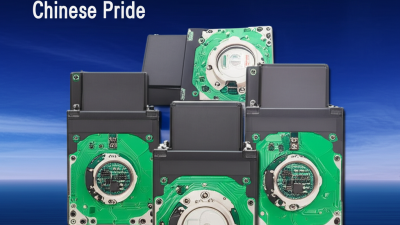
What’s cool about them? Their passion for innovation and quality is reflected in the patents they've secured, which speak to their commitment to making reliable, high-precision products—crafted proudly in China. As they expand their presence worldwide, their goal remains clear: to deliver solutions that can keep up with the demanding needs of modern navigation and control systems. Pretty impressive stuff, right?
The Rise of Strapdown IMUs in the Global Market and China's Role
Lately, strapdown Inertial Measurement Units (IMUs) have really taken off in the global market. They've been changing the game in areas like navigation, robotics, and motion capture tech. Unlike the older, gimbal-based IMUs, these newer ones are way more compact and efficient. They use fancy algorithms to read data from accelerometers and gyroscopes, which means no bulky parts — just sleek, lightweight devices. Because of that, they’re not only easier to use and carry around, but they also perform better and are super reliable across all kinds of fields, from aerospace projects to everyday gadgets.
And let’s not forget China’s huge role in all this. With a solid manufacturing backbone and a real knack for innovation, Chinese companies are now front and center in the strapdown IMU scene. They’re pouring lots of money into R&D, which means they’re cranking out high-quality stuff that doesn’t just meet international standards but also keeps costs reasonable. This blend of quality and affordability has really made Chinese strapdown IMUs stand out as strong options globally, especially as more industries start to see the benefits of this tech. Honestly, China’s contributions are definitely making waves worldwide and aren’t showing any signs of slowing down.
Global Supply of Best Strapdown IMU Crafted with Excellence and Chinese Pride
| Region |
Market Share (%) |
Annual Growth Rate (%) |
Key Applications |
Major Technologies Used |
| North America |
30 |
5 |
Aerospace, Robotics |
Micro-electromechanical systems (MEMS) |
| Europe |
25 |
4.5 |
Automotive, Defense |
Fiber optic gyroscopes |
| Asia-Pacific |
35 |
7 |
Consumer Electronics, Marine Navigation |
Inertial navigation systems |
| Latin America |
5 |
3 |
Industrial Automation, Agriculture |
GPS-aided inertial navigation |
| Middle East & Africa |
5 |
3.5 |
Oil & Gas, Military |
Ring laser gyroscopes |
Innovative Technologies Driving the Future of Strapdown IMUs
The way Strapdown Inertial Measurement Units (IMUs) have evolved is pretty amazing, especially thanks to some cool new tech that focuses on making these devices smaller and more budget-friendly. Lately, we've seen low-cost directional inertial wave sensors being developed – and they’re becoming more useful for all sorts of things, like oceanic setups. This wave sensor really shows how the trend is moving towards tiny, efficient gadgets that still keep up high accuracy and dependability. As these innovations keep rolling out, they’re not just making IMUs better—they’re also making them more accessible in fields like aerospace, robotics, and marine exploration.
It’s all about pushing the boundaries of what's possible. The future of Strapdown IMUs is looking bright because folks are blending traditional engineering with the latest tech. With advanced measurement principles baked in, we're now able to create super precise sensors that can handle tough environments. And that’s a game-changer because it meets the growing need for accurate motion tracking. Plus, it really shows how committed we are to innovation and excellence in this field.
As we keep moving forward with these technological leaps, the way we do inertial navigation and geospatial awareness is gonna shift a lot. We’re talking about a new era—one where everything’s more precise, efficient, and packed with features that weren’t possible before.
Exploring the Craftsmanship Behind High-Quality Strapdown IMUs
When you think about inertial navigation systems, the craftsmanship behind strapdown IMUs really shows how technology and fine engineering come together. At Poseidon International Group in Hong Kong, we’re passionate about pushing this field forward through our own research and creative designs. Since we started back in 2013, we’ve focused not only on making top-notch strapdown IMUs but also fiber optic gyroscopes and autonomous driving tech—stuff that we’re incredibly proud of, all rooted in the skill and quality of Chinese craftsmanship.
Every IMU we make is a result of lots of attention to detail and a real commitment to quality—stuff that truly reflects our values. Our engineers are always working with the latest tech to make sure each unit scores high on performance, accuracy, and reliability. With several patents under our belt, Poseidon is pretty much a leader in this space, always exploring new ways to improve. As we look into what makes these devices so effective, it’s clear that our passion for innovation keeps us motivated—driving us to develop solutions that boost navigation around the world.
Global Supply of Strapdown IMUs by Region (2023)
This chart illustrates the global supply distribution of Strapdown Inertial Measurement Units (IMUs) across different regions in 2023. It highlights the significant production capabilities and craftsmanship associated with these devices.
The Impact of Industry 2025 on Supply Chains and Manufacturing
So, have you noticed? Industry 2025 is really shaking up how supply chains and manufacturing work. Companies are being pushed to get more creative and adapt to this super complex global market we’re all a part of. The goal? Boost productivity by bringing in cutting-edge tech like AI, robots, and the Internet of Things. And honestly, it’s not just about working faster — manufacturers are also stepping up their game on quality. These tech advancements, for example, make the production of things like strapdown inertial measurement units (IMUs) way more precise. These tiny components might sound niche, but they’re actually crucial for stuff in aerospace and automotive fields, you know?
What’s also interesting is how Industry 2025 is putting a bigger emphasis on local supply chains, especially in China, which has a long history of being a manufacturing powerhouse. By sourcing and producing closer to home, companies can dodge some of the risks that come with relying on global supply chains. This means faster turnarounds, lower costs, and a big pride in craftsmanship that’s all about quality and innovation. As things keep changing, combining high-tech with good old-fashioned skill will totally redefine what’s possible — delivering top-notch IMUs that meet the tough demands of today’s businesses.
How to Choose the Best Strapdown IMUs for Your Application
Choosing the right Strapdown Inertial Measurement Units (IMUs) for your project can really feel overwhelming, right? There are a bunch of factors you gotta keep in mind because they can make a big difference in how well things actually work. First off, think about what your project specifically needs—like, do you require high precision? What kind of environment will the IMU be exposed to? Since IMUs are used everywhere from robots to space tech, it’s super important to pay attention to details like sensitivity and noise levels.
Here are some tips to help you pick the best IMU for your setup:
- Check how many axes you need—most projects go with either 6 or 9-axis IMUs, since they give a pretty complete picture of movement.
- Don't forget about size and weight. If portability matters (say, in a robot or drone), you’ll want something lightweight and compact to fit your design without hassle.
Another thing to consider is how easy it is to integrate the IMU into your system. Look for options that come with user-friendly interfaces and solid software libraries—that can make development way smoother. And if you're into DIY or customizing your robot or device, a modular IMU that’s easy to connect and use can really open up creative possibilities, giving you more control and flexibility to make things just how you want them.
Comparative Analysis of Global Manufacturers in the Strapdown IMU Sector
The field of strapdown inertial measurement units (IMUs) has seen some pretty exciting progress lately. Lots of companies around the world are scrambling to come out with top-notch products. I read in a MarketsandMarkets report that the global IMU market is expected to hit around $17.4 billion by 2025, growing at roughly 6.3% annually from 2020 onwards. That’s mainly thanks to the soaring demand in industries like automotive, aerospace, and consumer electronics. Companies are pouring money into research and development, trying to make their IMUs more precise and efficient, which has led to some really innovative gadgets tailored for all sorts of uses.
When you look at the playing field, especially with Chinese manufacturers, they’ve really made a name for themselves. They’re known for blending cutting-edge tech with pretty cost-effective production methods. According to ResearchAndMarkets, Chinese firms held about 30% of the market share back in 2020. Big brands like DJI and InvenSense have been trailblazing, offering products that strike a good balance between high accuracy and affordability. This gives them an edge, not just in China but globally, challenging the more established players in the US and Europe, who sometimes find it tricky to keep prices low without sacrificing quality.

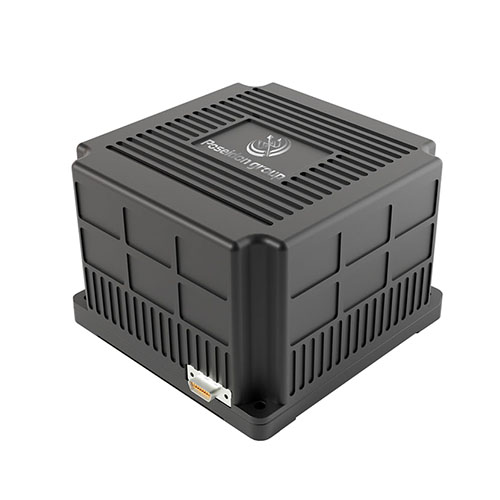 TBSD60
 BSD120
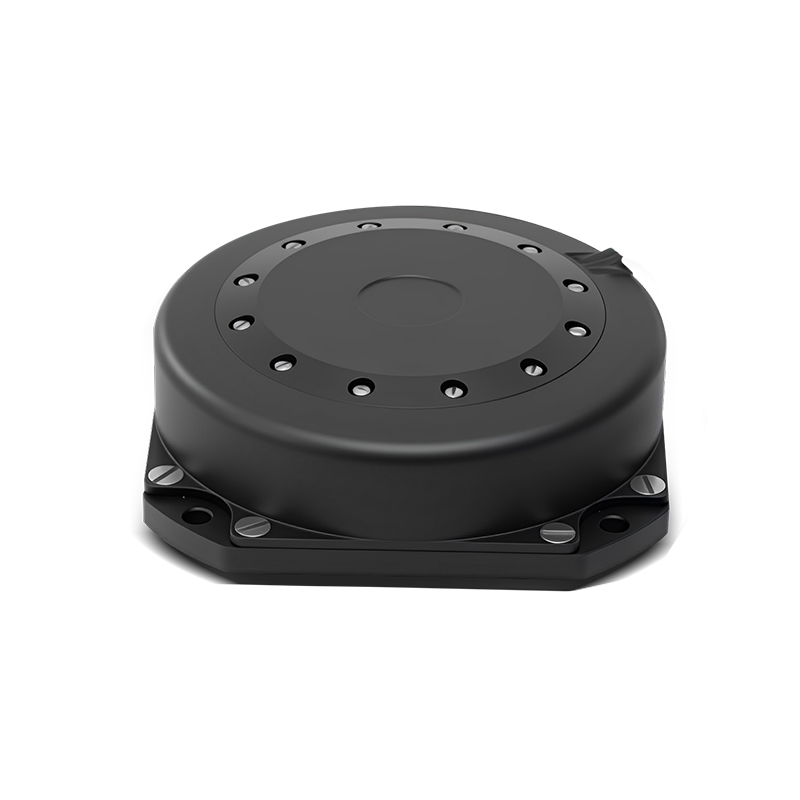 BSD98
BSD98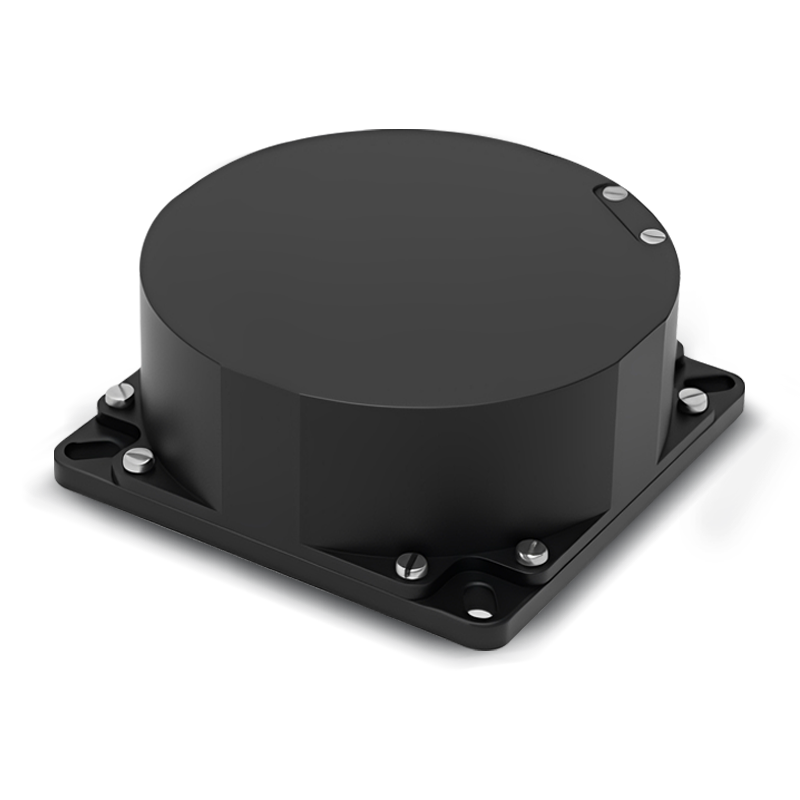 BSD70
BSD70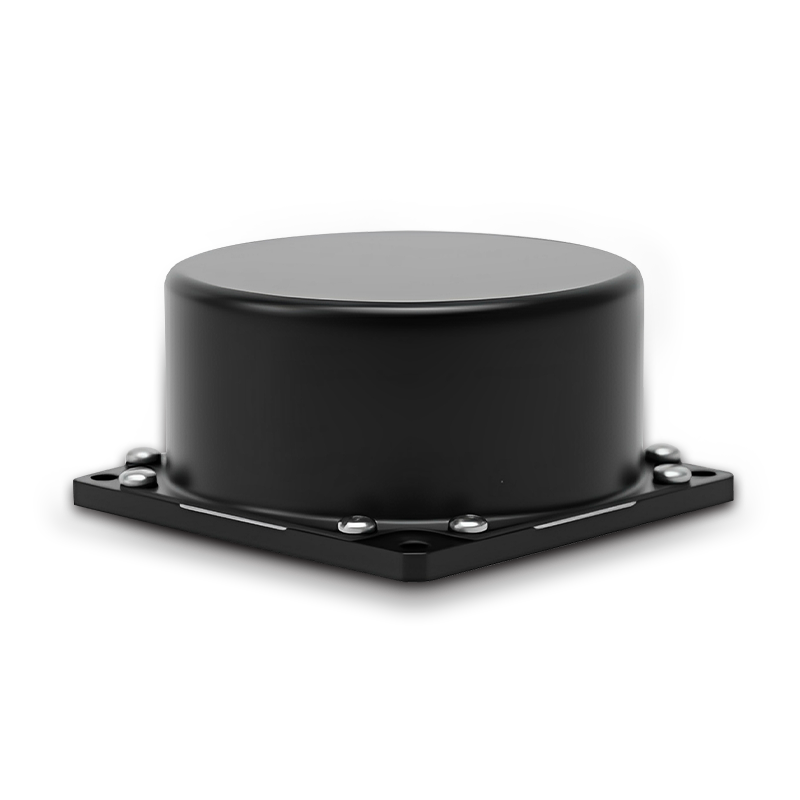 BSD60
BSD60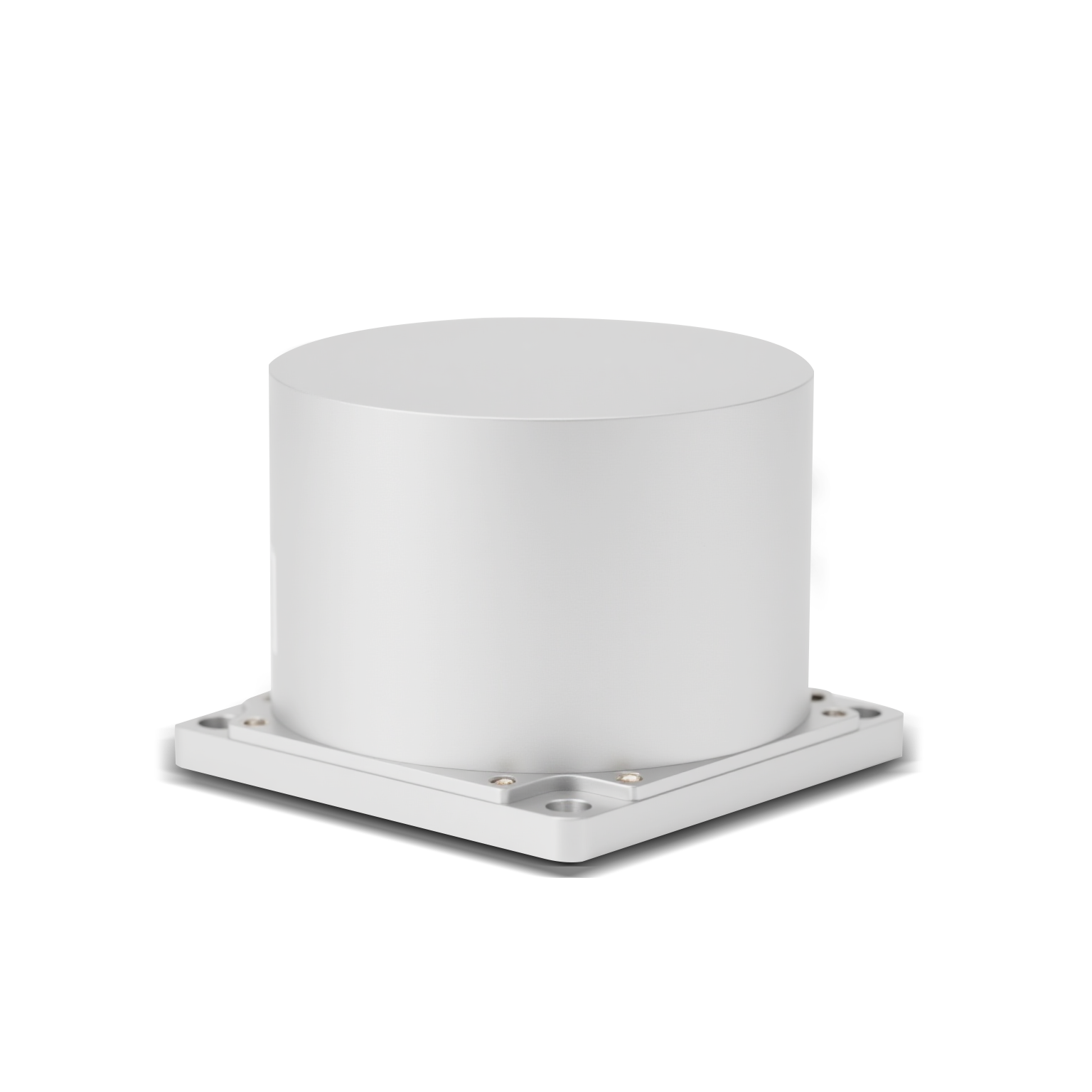 BSD50
BSD50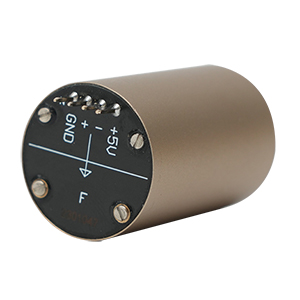 BSD217
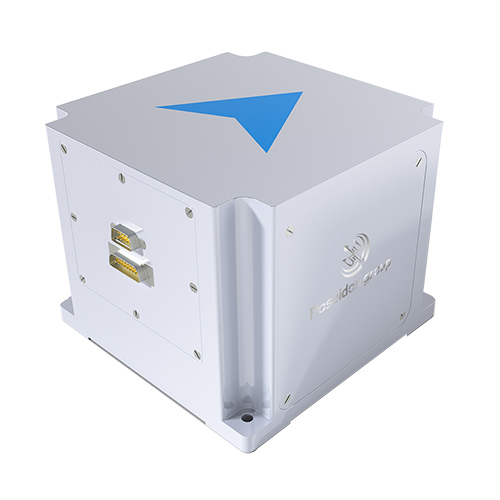 INS1700
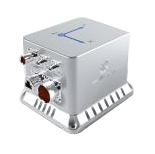 INS970
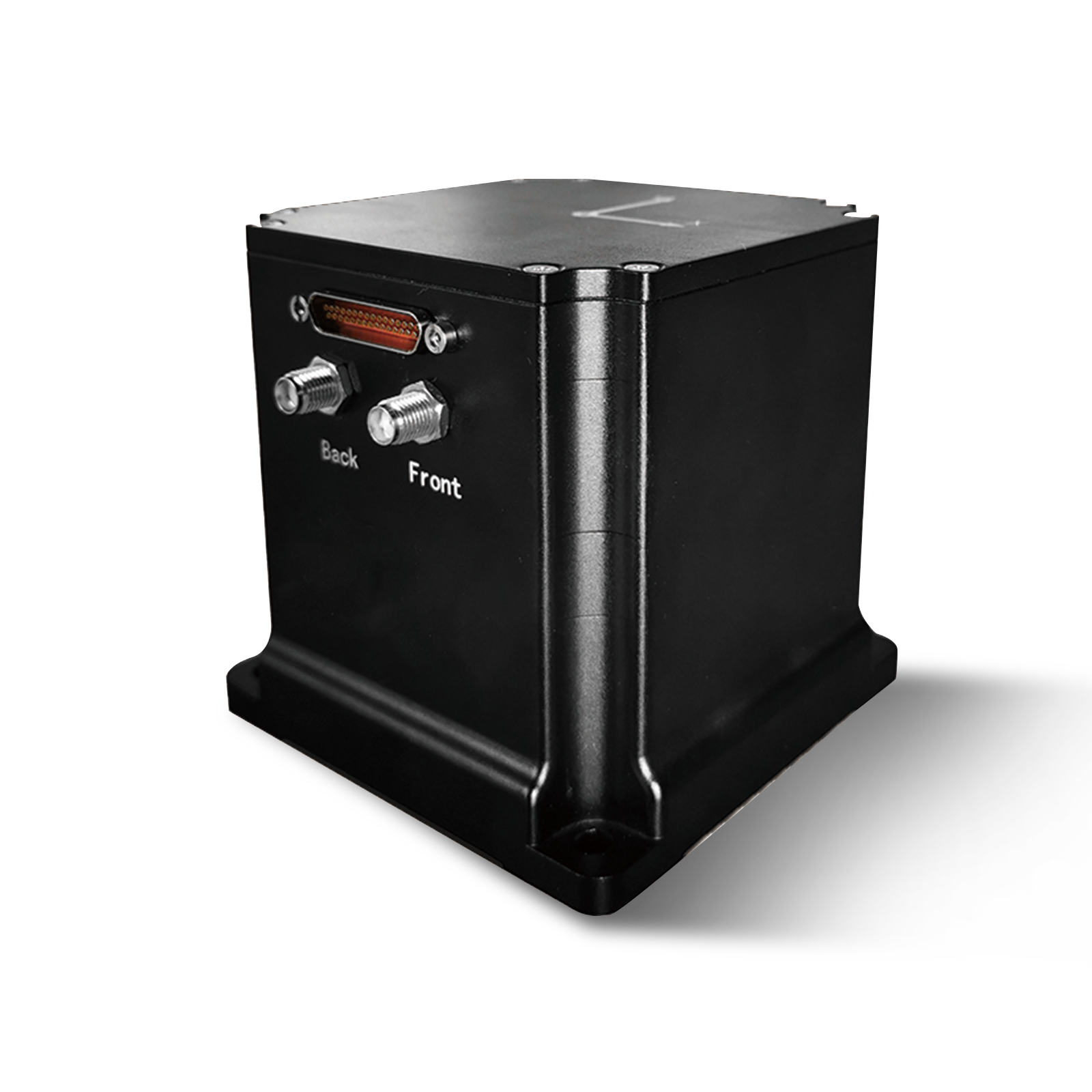 INS570
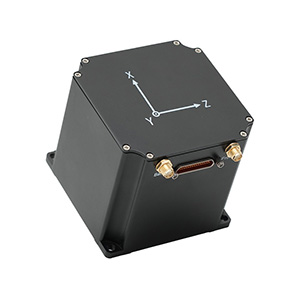 INS170
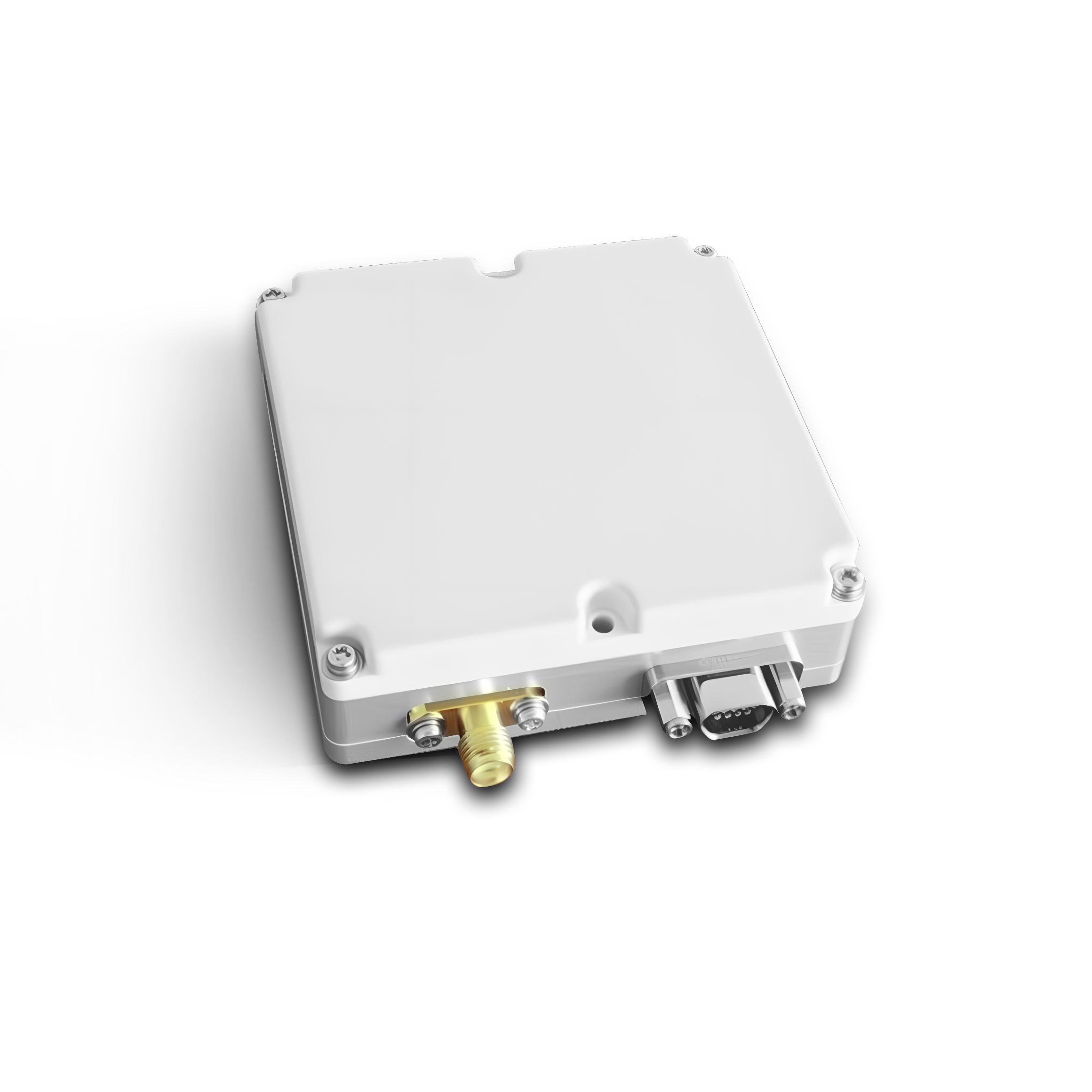 SLA-4B1L1-65
 SLA-4B1L1-130
 SLA-8B1L1-165
 DIVER 101
 DIVER 102
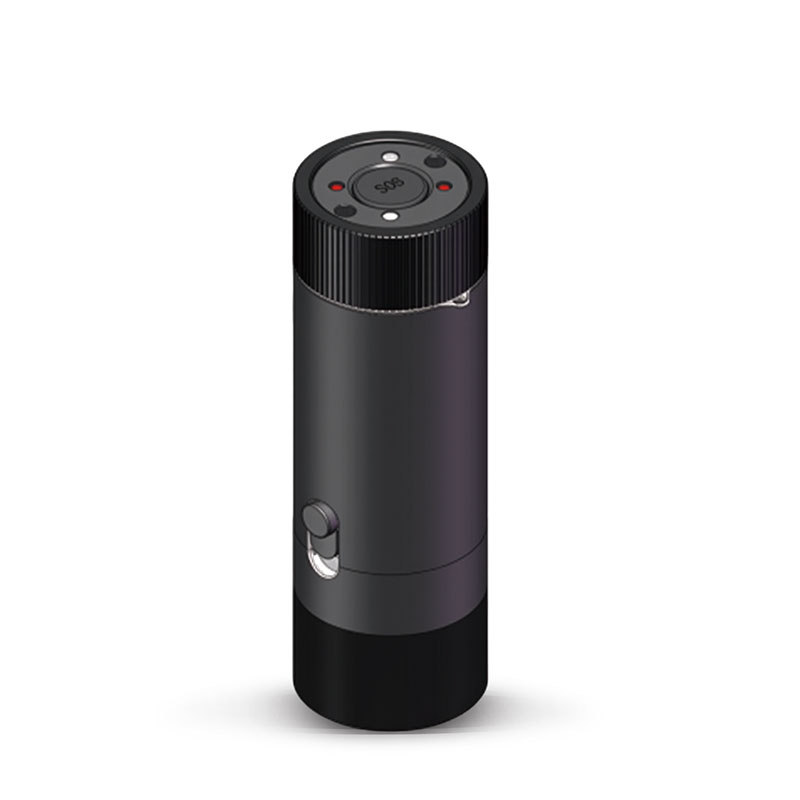 DIVER 103
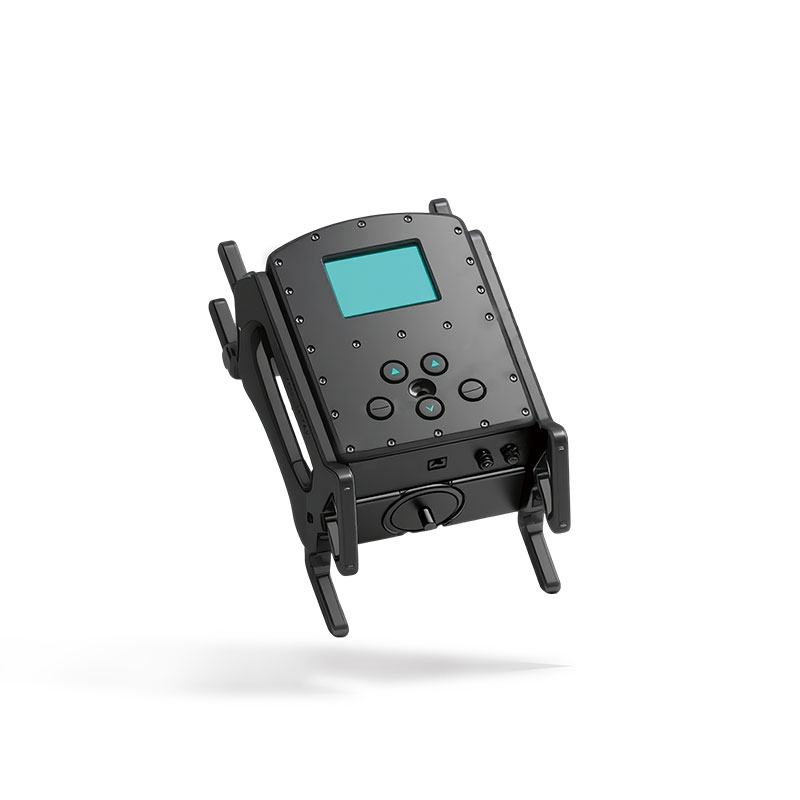 DIVER 104
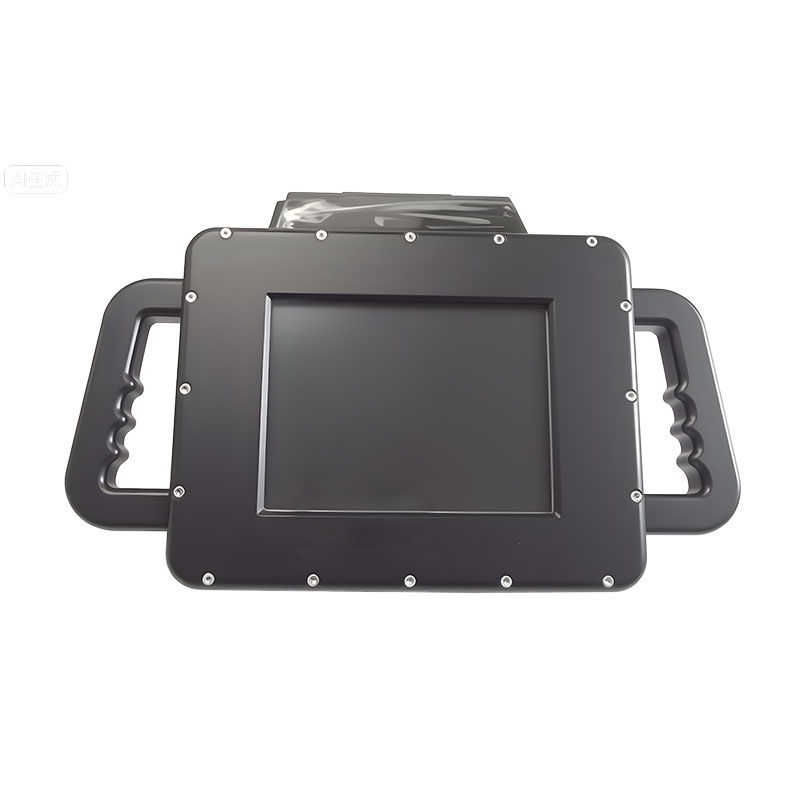 DIVER 105
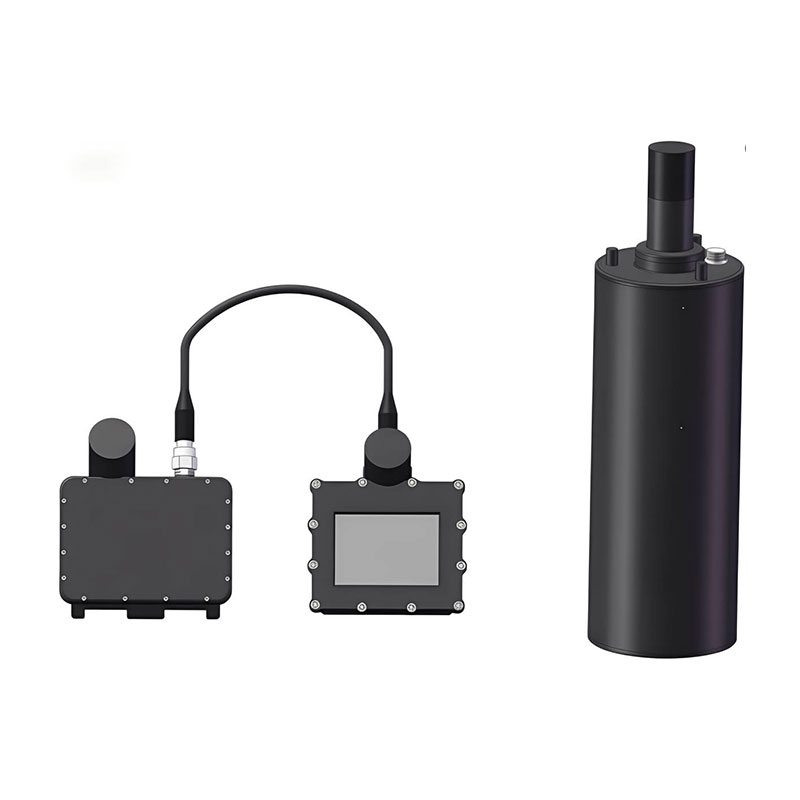 DIVER 106
 SLLR3000
 SLLR905
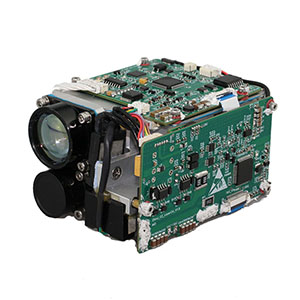 SLLD25
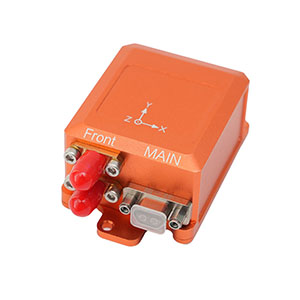 160M
160M 170M
170M SLFC-70
 SLAF280
 MR360
MR360